10 Best Emergency Gear for Hikers in 2026
This article contains affiliate links
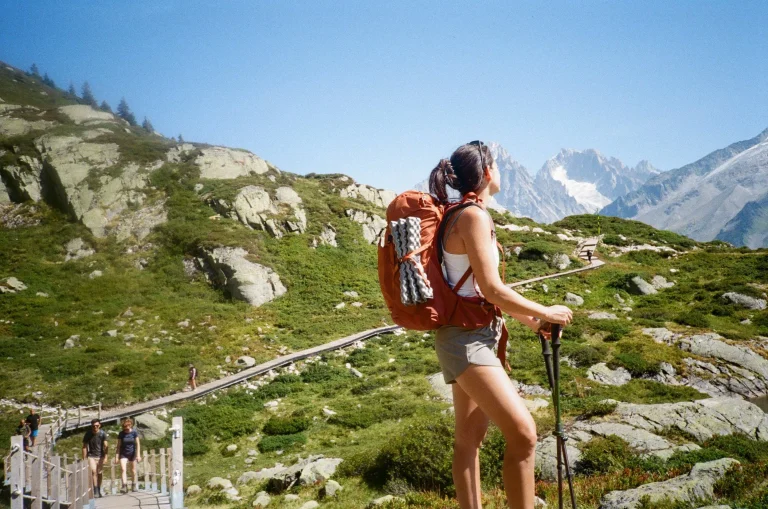
Hiking in remote areas can be incredibly rewarding, but it also comes with risks, especially when help may be far away and cell service is unreliable. Many hikers find themselves unprepared for emergencies, making it difficult to signal for help or communicate their location when it matters most. Emergency gears have become essential for outdoor adventurers, offering reliable ways to call for assistance and increase safety on the trail.
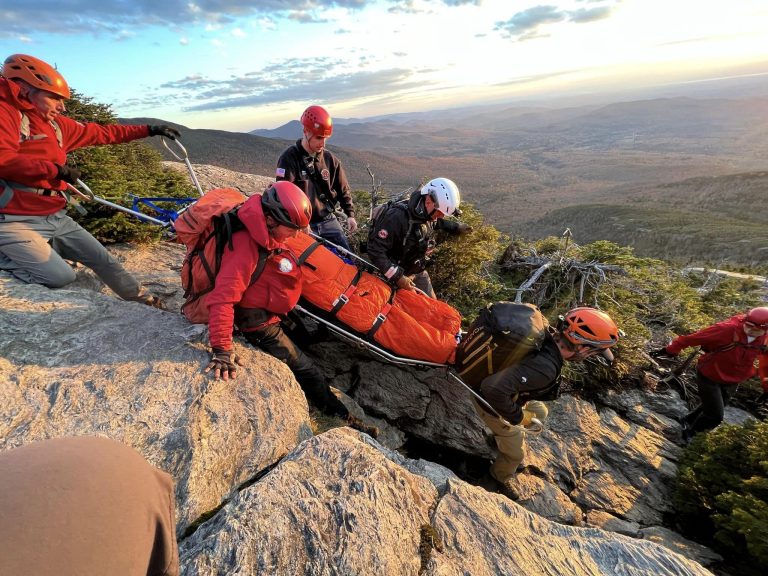
The National Park Service’s outdoor emergency plan puts it bluntly: help can take hours or days to reach you. That gap is the whole reason to carry emergency gear for hikers. You need to call or signal for help, keep an injury under control, stay warm and see well enough not to make things worse. Below are ten items that cover those jobs, each light enough to live in your pack permanently, chosen from Amazon’s best-selling and top-rated outdoor categories.
How we picked emergency gear for hikers
We started the most important gears in top-rated categories for water filters, first aid kits, emergency blankets and survival gear, then checked each candidate against manufacturer specs, retailer listings and expert tests from sources such as REI, OutdoorGearLab and Packstack. We also read what buyers complain about.
1. Garmin inReach Mini 2: the best satellite messenger for hiking
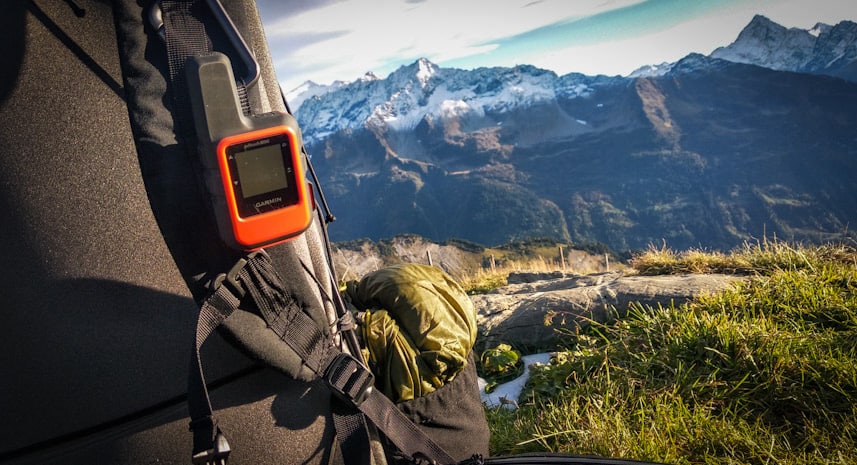
On a trail with no coverage, your phone is a flashlight with a camera. The inReach Mini 2 is the item that changes that. It sends two-way text messages and an interactive SOS to a 24/7 monitoring center over the Iridium satellite network, weighs 3.5 oz (99 g) and is rated IPX7 with MIL-STD-810 impact construction. Garmin quotes up to 14 days of battery at 10-minute tracking and up to 30 days at a 30-minute interval, both with a clear view of the sky.
The catch: it does nothing useful without a paid satellite plan, and reviewers point to the setup effort and the ongoing cost. Set it up and send a test message at home, not on the trail.
Skip it if you stick to busy trails with reliable coverage. Check first: a newer inReach Mini 3 is out, so compare the two before buying. Our emergency SOS devices roundup gives you a comparison about the best sos devices.
Check here the Garmin inReach Mini 2
2. Mini First Aid Kit – 150 Piece: the best compact first aid kit
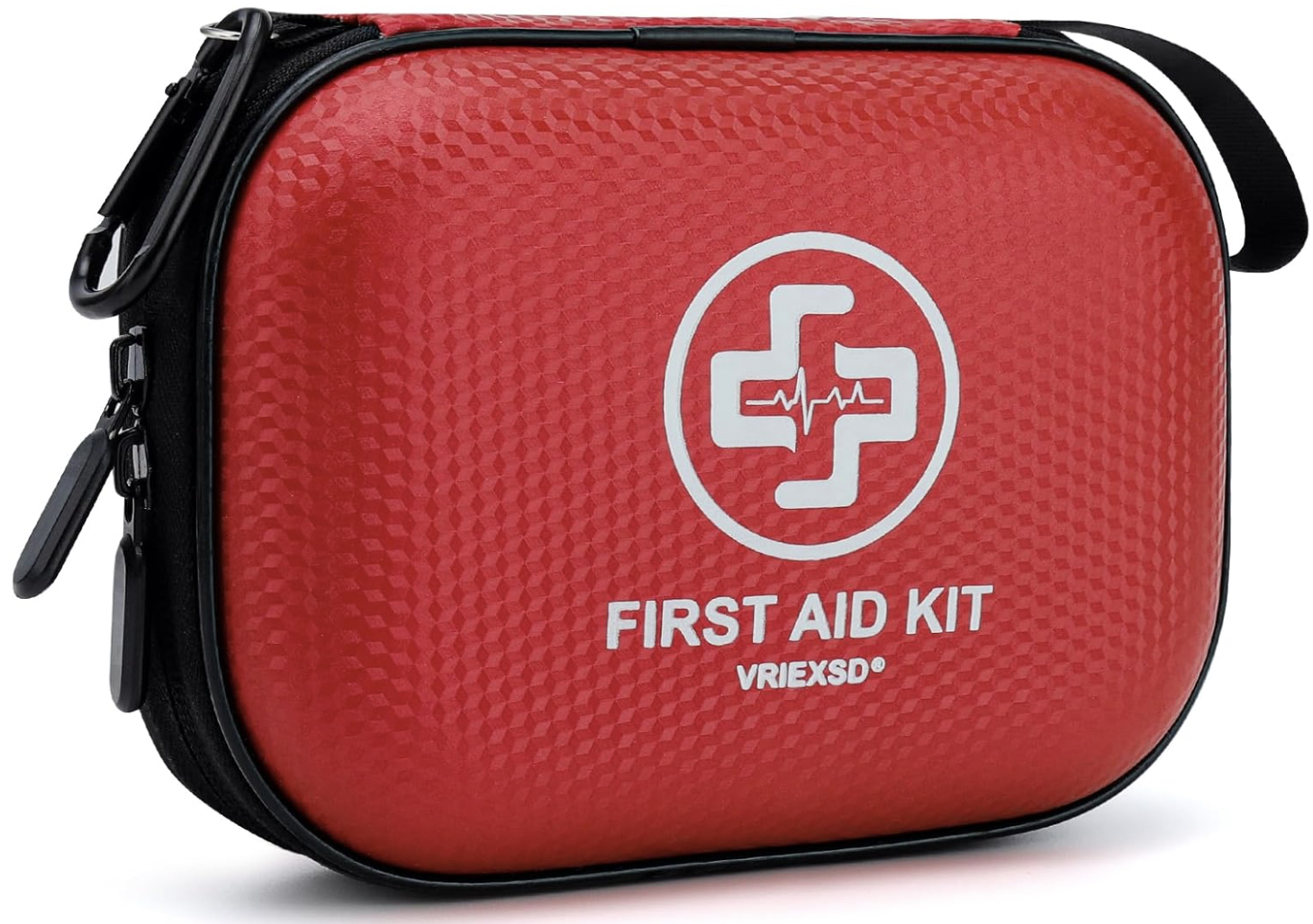
Blisters, cuts, a scraped knee: this kit handles the injuries hikers actually collect. It weighs about 10.9 oz in a waterproof hard shell case and is sized for one or two people on trips of one to two days. The contents include adhesive bandages, butterfly closures, moleskin for blisters, sterile dressings, and forceps. Add your own pain relief, any prescription you rely on and a few extra blister pads.
If you hike with a group or go out for several days, there is a larger First Aid Kit with 300 pieces which gives you more supplies for a bit more weight.
Check here the Mini First Aid Kit – 150 Piece Small Waterproof EVA Hard Shell Case
3. LifeStraw Personal Water Filter: the best emergency water filter
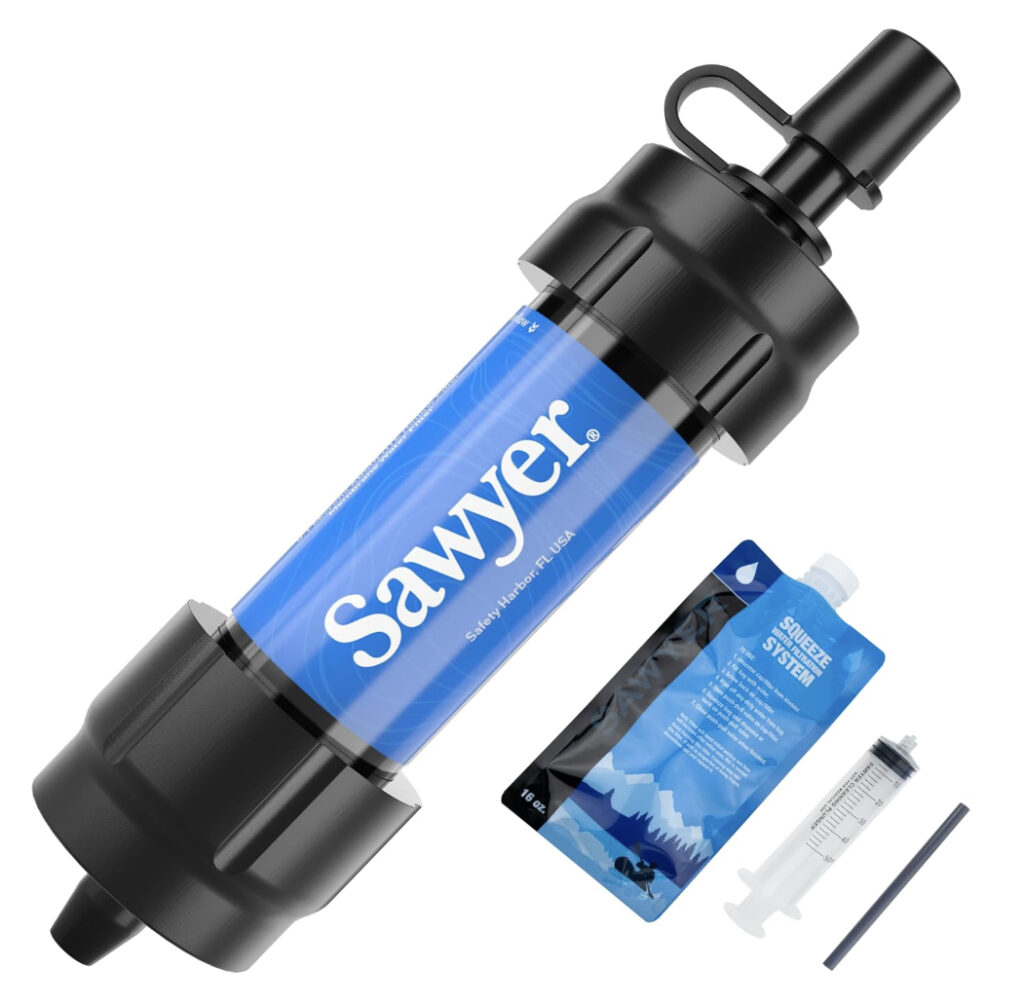
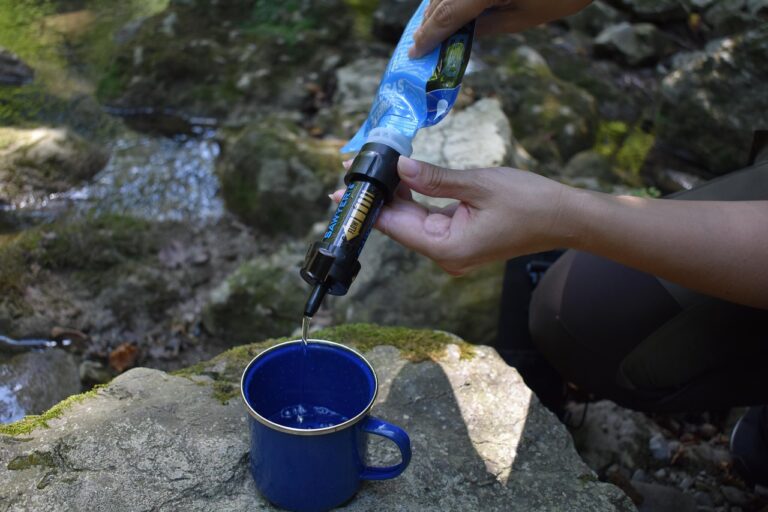
One of the best-known hiking filter for a reason: 57 g, no batteries, no pumping, a 0.2 micron membrane and a manufacturer rating of 1,000 gallons (4,000 liters). LifeStraw says it removes 99.999999% of bacteria and 99.999% of parasites. For a hiker who drops into a stream because the water ran out, that is enough.
| Removes | Does not remove |
| Bacteria, protozoa such as giardia, microplastics, sediment | Viruses, chemicals, heavy metals, salt |
Practical downsides, according to expert tests: you often end up kneeling at the water’s edge, it stores no water, and flow slows down as the filter wears.
Skip it if you hike where viruses are a concern, such as abroad or near livestock and sewage. Pair it with purification tablets, or choose a purifier.
Check here the LifeStraw Personal on Amazon
For a detailed comparison of more water filters, read Outdoor Water Filters: LifeStraw’s Range Compared .
4. Emergency Bivvy: the best emergency shelter
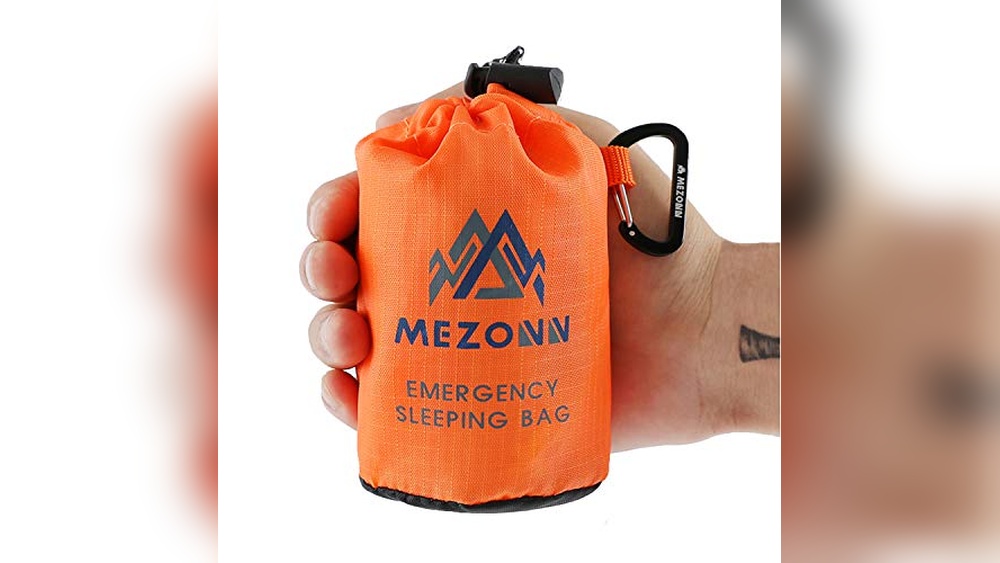
Cold kills slowly and quietly, often on trails that looked harmless at noon. This 3.8 oz bivvy is a bright orange sack, 84 by 36 inches, with sealed seams. It reflects 90% of your body heat.
It is a survive-the-night tool, not a sleeping bag. The material is not breathable, so condensation builds inside.
Skip it if you expect to sleep in it on purpose. The heavier Emergency Sleeping Bag, at about 6 oz, suits that job until -5°.
Check here the Emergency Sleeping Bag
5. Black Diamond Spot 400: the best headlamp for hiking emergencies
A hike that runs two hours late is an inconvenience with a headlamp and a hazard without one. The Spot 400 puts out up to 400 lumens, is rated IPX8 waterproof and weighs about 2.5 oz without batteries. It has a dimmable red mode and a lock so it cannot switch itself on inside your pack and flatten the batteries. It runs on three AAA cells or a compatible rechargeable pack.
Some buyers report battery problems, and the AAAs add weight, so pack a spare set. If you prefer USB charging, the Spot 400-R is the rechargeable sibling.
Check here the Black Diamond Spot 400
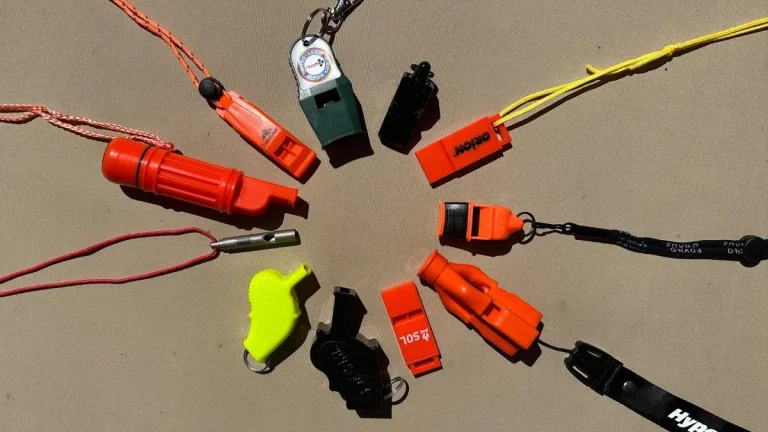
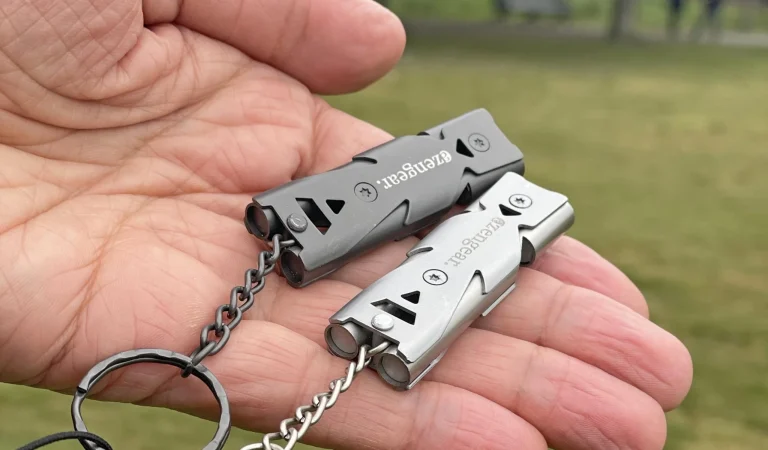
6. Fox 40 Classic Whistle: the best emergency whistle
This one is short. The Fox 40 has no pea inside, so it cannot freeze or jam, and listings quote about 115 dB. The National Park Service’s guidance for a lost or injured hiker is to blow the whistle three times, pause, then repeat, rather than wear yourself out shouting. The NPS Outdoor Emergency Plan says the same.
The weak spot is you, not the whistle. It does nothing in a bottom pocket, and a breakaway lanyard can come off if it snags. Clip it to a shoulder strap where an injured arm can still reach it. In the Alps, the local distress signal is six blasts per minute, so check regional conventions.
Check here the Fox 40 Classic Whistle
For visual signaling, see our signaling
7. UCO Titan Stormproof Match Kit: the best waterproof matches
The Titan kit holds 12 long matches that burn for up to 25 seconds each, three replaceable strikers and a waterproof case that floats. That is more than five minutes of total flame, enough to light damp tinder in wind. The kit weighs roughly 2 to 3 oz depending on the source.
They smoke heavily, so do not light them indoors, and 12 matches is not many. UCO’s standard kit has 25 matches but shorter burn times and mixed feedback in wet weather.
Skip it if you hike in an area with a fire ban, which is common in dry seasons. Check rules first. Otherwise a disposable lighter alongside these is a sensible backup.
Check here the UCO Titan Match Kit
8. BLAVOR Solar Power Bank 10,000mAh: the best power bank for emergencies
Your phone carries your map, your light and, where coverage exists, your route to a 911 call. This power bank holds 10,000 mAh, charges at up to 20W over USB-C, is rated IPX5 and has two built-in flashlights. It is one of the most reviewed power banks on Amazon.
Treat the solar panel as a decoration. Independent testers found it adds almost nothing in a day of sun, so charge the bank from the wall before you leave. At 9.3 oz it is also the heaviest item on this list.
Skip it if you only do short day hikes: a smaller power bank saves weight. More options are in our solar-powered gear guide.
Check here the BLAVOR Solar Power Bank
9. Suunto A-30 Compass: the best backup navigation tool
Phones die and fog does not care. A baseplate compass and a paper map never need charging. The A-30 weighs 32 g (1.13 oz), has a jewel-bearing steel needle, luminous bezel and markings for low light, a magnifier on the baseplate and a fixed declination scale.
It is worthless without a map and a few hours of practice. Buy the right hemisphere version: compasses are balanced for a zone, and a mismatch causes errors. The cheaper A-10 is a simpler sibling; the A-30 adds the low-light markings and magnifier.
Skip it if you will not practice. Put the time in at a local park first. Our offline GPS apps guide covers the phone side of navigation.
Buy here the Suunto A-30
10. Frocopo Emergency Mylar Blankets (6-pack): the best budget backup layer
CNN’s tested hiking gear roundup names this six-pack a best-tested pick. Each blanket measures 55 by 82 inches, weighs about 2 oz and folds to the size of a credit card. Six of them mean one in every pack, one in the car and spares for the person you find shivering on the trail.
Foil blankets rip, rustle and trap condensation, and in cold, wet weather they are no match for the bivvy at #4. Keep one in a zip bag so it stays dry and unfolded easily with cold hands.
Skip it if you hike solo and already carry the bivvy bag. One shelter is plenty. For groups and families, the multipack is the point.
Buy here the Emergency Blankets
How to build a hiking emergency kit by trip type
| Trip | Take |
| Short hike on a busy trail | First aid kit, headlamp, whistle, mylar blanket, charged phone |
| Remote day hike | Add the water filter, bivvy, compass with map and power bank |
| Overnight or off-trail | Everything above plus the satellite messenger and matches |
Three mistakes show up again and again. People bury the whistle and light at the bottom of the pack. They never open the first aid kit until they need it, so they do not know what is missing. And they buy a satellite messenger and learn how it works during the emergency. Test everything once at home, with cold hands if you can manage it. More basics are in our hiking safety gear for beginners guide.
Frequently asked questions
What is the most important emergency item for hiking?
A way to call for help comes first. A satellite messenger such as the Garmin inReach Mini 2 works without cell coverage, while a whistle and a charged phone cover busier trails. After that come warmth, water and a first aid kit, which handle the most common serious problems.
Do I need a satellite messenger if my phone has satellite SOS?
Phone satellite features generally need a clear view of the sky, drain the battery and offer limited messaging, and they vary by model. A dedicated messenger adds tracking and ongoing two-way contact. For short trips on busy trails, a phone may be enough.
Does a LifeStraw make any stream water safe?
No. It removes bacteria, parasites and microplastics, but not viruses, chemicals or heavy metals. In most remote North American backcountry that is acceptable. Near livestock, sewage or abroad, add purification tablets or use a purifier.
What is the distress signal for hikers?
The National Park Service advises blowing a whistle three times, pausing, and repeating. A flashlight can send the same pattern. In the Alps, six signals per minute is the local standard, so learn the convention where you hike.
Are solar panels on power banks worth it?
Not as a main charging method. The built-in panel on pocket power banks trickles at best. Charge the bank from a wall outlet before the hike and treat the panel as a last resort.
How much first aid gear do I need for a day hike?
A compact kit made for one or two people covers most day hikes. Add personal medication, extra blister care and anything you know you tend to need. Larger trauma kits suit groups, remote areas and people trained to use them.
Final take
Solo hiker or heading anywhere remote: buy the satellite messenger, the bivvy and the first aid kit first, then add the rest. Weekend hiker on marked trails: the first aid kit, headlamp, whistle and a mylar blanket cost little and cover most problems. Hiking with kids or a group: the six-pack of blankets and a bigger first aid kit matter more than anything electronic. All ten items together weigh little more than a liter of water, with the power bank accounting for most of it.
Sources: Garmin and retailer spec listings, REI, OutdoorGearLab, Packstack, National Park Service, CNN Underscored.